

Passion to Profession: The Many Paths to "Making It" in the Horse Industry - Part 1
Updated: Mar 29
2/24/2026 - Wellington, FL - Everyone dreams of “doing horses” for a living — from horse-crazy twelve-year-olds to adult amateurs balancing full-time careers outside the barn. From the outside, it’s easy to assume there’s only one path into the horse industry: become a great rider, hang your shingle, and build a business around the saddle.
But the truth is, the horse world is full of opportunity far beyond just riding.
In this series, we spotlight the many roads people have taken to turn their passion into a profession — from mentorship and management to business savvy, creativity, and thinking outside the box. These are the stories that prove there’s more than one way to “make it” in the horse world.

Jonathan Cohen
In the equestrian industry, the dream often looks the same: become a professional rider, teach full-time, and build a life around being in the saddle. For many young riders coming up through the ranks, it can feel like that’s the only path to staying in horses long-term.
But one longtime horseman’s journey tells a different story. One that highlights mentorship, business education, adaptability, and the power of building a role that extends far beyond the ring.
Growing up in Chicago, Jonathan Cohen's first introduction to riding began in the city before eventually moving to larger training barns. After several years developing as a rider, he found his way to Alex Jayne of Our Day Farm and the family-run program that would ultimately shape his future.

By his mid-teens, he was riding with Alex, growing up alongside Alex’s children (Maggie, Haylie, & Charlie) as they finished out their junior careers. It wasn’t just about riding; it was an inside look at how a successful horse business functioned.
“It gave me a taste of what I wanted,” he said. “Not just the riding, but the whole picture — how the barn worked, how decisions were made, how everything fit together.”
Growing Up With the Business
When Jonathan's junior years ended and college began, his relationship with the Our Day Farm continued to grow. He stayed involved, gradually moving from client and working student into a more integrated role within the operation. While earning his undergraduate degree (and later a master’s degree in business management), he structured his schedule around the barn.
“I set my class schedule to do marathon days just so that I would miss as little of the action at the barn and WEF (Winter Equestrian Festival,” he laughed.

But what set his path apart wasn’t just time spent in the saddle. It was time spent paying attention.
As the program evolved from a primarily family-centered operation into a larger, more client-based business, he witnessed, and helped navigate, the shifts.
Responsibilities became more defined. Systems became more formal. The culture adapted as the barn grew.
“The first major shift I felt was when we divided responsibilities more clearly,” he explained. “It was a culture change, but it was necessary. As things grow, you have to adjust or things start to fall through the cracks.”
Rather than resisting change, he learned to anticipate it. He credits much of that awareness to mentorship.
“I had a great mentor,” he said simply. “A lot of what I learned in school, I had already experienced under Alex's leadership. The classroom education helped me title and categorize a lot of the practical knowledge - I know where to find it in the books should I need to know."
The Graduate School of the Horse Business
After completing both his undergraduate degree and a master’s in business management, he added another layer of experience: grooming internationally, including World Cup Finals, Nations Cups, Spruce Meadows, and even the London Olympics.
Each chapter added a new perspective, from the rider’s seat to the management side, from family business to elite global competition.
Eventually, Alex arranged for him to step away for a time and gain experience elsewhere. That led him to manage the entire operation for Missy Clark and John Brennan at North Run — a role he describes as “graduate school of the horse business.”
“I got my undergrad at Our Day Farm,” he said. “I got my master’s degree at North Run.”

Managing staff, overseeing logistics, working with elite clients, and ensuring smooth execution at major competitions gave him a full-spectrum view of what it takes to sustain a top program. It wasn’t glamorous work. It was operational work. Leadership work.
When he eventually returned to Alex’s program, the business was beginning to change again as the Jayne family was starting to expand in to the next generation. Jonathan looked forward to the eventual shift. It would soon be time to get back to where it all started and make the magic happen again.
Riding Isn’t Always Enough. And That’s Not a Failure
One of the strongest themes in Jonathan's story is a reality that isn’t talked about often enough: riding alone is not enough to sustain a lifelong career in horses.

“You can ride all day in your twenties and thirties,” he said. “But at some point, you need more tools than just riding if you want to stay in this business long-term.”
For many young equestrians, the focus is singular: become a great rider. But without understanding budgeting, client communication, logistics, staffing, and long-term planning, even talented riders can struggle to build sustainable careers.
His advice to young people who want to stay in horses?
“Go learn how to do business.”
Not because you need a backup plan, but because horses are a business.
Leading From Within the Program
Today, his role is not defined by personal competition goals. It is defined by leadership within the program.
After years of achieving personal milestones, his focus shifted toward something steadier: helping the entire operation function at its highest level.
“My goal now is develop one or two quality horses at a time, enjoy them while I have them, and help run a great business,” he said. “Do it right. Make it work long-term.”

His day-to-day success is measured differently now, in organized systems, well-managed schedules, clear communication, and a barn culture that supports both clients and the next generation coming up through the program.
And that next generation is already here.
Ponies are filling the stalls again. Afternoons are busy with children riding. Junior careers are beginning. This time belonging to the trainers’ own children.

“It feels like everything’s coming full circle,” he reflected.
He stands in a unique position, bridging the barn’s past and its future. He remembers what it was like when the current trainers were juniors themselves. He experienced the evolution into a larger business. And now he helps guide the next phase as it begins again.
Expanding the Definition of Success
In an industry where the spotlight often shines brightest on the rider in the ring, his story is a reminder that there are many ways to build a meaningful life in horses.
You can lead from the saddle. You can lead from the office. You can lead from the center of the operation — shaping culture, guiding growth, and ensuring longevity.

For young riders who don’t quite fit the narrow mold of “professional competitor,” his path offers something powerful: permission to think bigger.

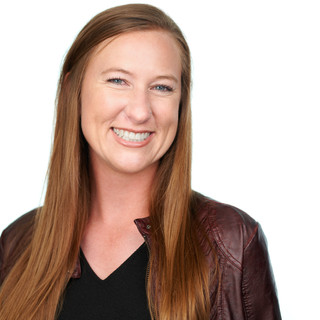
Lindsey Oaks is an author, professional rider & coach, photographer, branding strategist, and mom.
She lives in the Chicago suburbs, teaching "horse-crazy kids" (and adults) to communicate effectively with 1000-lb animals who don't speak English and creating strategies for service providers and consultants to communicate with the world. Her students and clients describe her as a coffee-addicted, high-energy smartypants who tells stories to teach lessons.


Comments